Best Time for a Philadelphia Helicopter Tour: Season, Time of Day, and Weather

Fall and winter mornings give the clearest views for a Philadelphia helicopter tour, when the summer haze has cleared and wind, the actual thing that grounds a flight, tends to be calmest early in the day. Summer still flies well, it's simply softer on the horizon by afternoon. As a pilot who has watched Philadelphia's sky change through every season from the cockpit, the pattern below is what I actually see, not a generic seasonal guess: when the light is best, when a route books out, and exactly what happens if the weather doesn't cooperate on the day you picked.
Quick answer
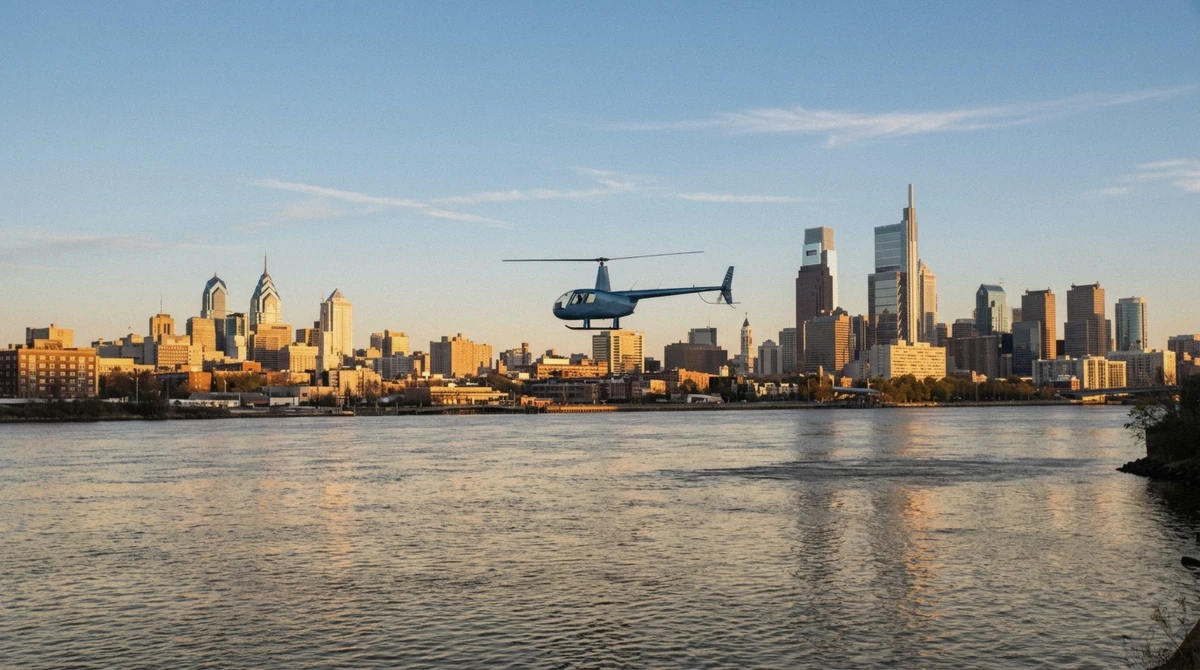
Fall and winter mornings are the best time for a Philadelphia helicopter tour: humidity drops, haze clears, and visibility over the skyline and rivers is at its sharpest. Summer is the busiest and haziest season, though light rain rarely grounds a flight, wind is the real trigger.
Key takeaways
- Best window: fall through winter mornings, when crisp air replaces summer humidity haze
- Runner-up: early summer mornings, before the day's heat and haze build up
- Month to avoid for clear views: peak summer afternoons, when humidity haze softens long-distance sightlines
- Counterintuitive fact: wind grounds far more Philadelphia flights than rain does, expanded below
- Evening flights carry a $25 per rider surcharge, and winter's early sunset puts golden hour inside a normal afternoon slot
- Weather cancellation isn't a lost booking, it's a free reschedule or flight credit, on top of free cancellation up to 24 hours out
Seasons at a Glance
Read the Verdict column first if you're short on time; the paragraph beneath the table explains the reasoning behind each one.
| Season | Weather | Visibility | Verdict |
|---|---|---|---|
| Spring | Changeable, mild, occasional wind | Improving as the season goes on | Good, book flexible dates |
| Summer | Hot, humid, highs near 88°F in July | Softened by humidity haze in the afternoon | Fine, mornings only for clear shots |
| Fall | Cooling, drier air | Among the crispest of the year | Best overall |
| Winter | Cold, highs near 41°F in January | Crisp, long sightlines | Best for clarity, dress warm |
The pattern is straightforward once you know the mechanism: Philadelphia's summer humidity is what softens the long view, not clouds or rain, and that haze typically thins out by fall and stays thin through winter. Spring sits in between, improving week by week as the season progresses toward the clearer fall and winter pattern.
None of the four seasons is a bad time to fly, and that's worth saying plainly. Every season here still delivers the Delaware River crossing and, on the longer routes, the skyline, the difference between them is sharpness at distance, not whether the flight is worth taking. A traveler locked into a single week of summer vacation shouldn't wait for fall; booking the earliest slot of that week and accepting a slightly hazier horizon is a perfectly reasonable trade for not missing the flight at all.
Best Slot by Traveler Type
If you're a photographer chasing the sharpest skyline shot
a fall or winter morning, when haze is at its lowest
If you're planning a proposal or anniversary flight
a winter late-afternoon slot, when golden hour falls inside normal flying hours
If you're flying with family and want the calmest conditions
a weekend morning, before afternoon wind typically picks up
If you want the best value without chasing perfect conditions
any weekday daytime slot; the $25 surcharge only applies to evening flights
Best Time of Day
Morning has the practical edge: air is typically calmer before the day heats up and haze builds, and traffic on the ground to Northeast Philadelphia Airport is lighter too. That said, this operator doesn't open until early afternoon most days, flight hours run Monday and Thursday 3:00 to 8:00 PM, Friday 3:00 to 9:00 PM, Saturday noon to 9:00 PM, and Sunday noon to 8:00 PM, closed Tuesday and Wednesday, so "morning" here really means the first available slot of the day rather than sunrise.
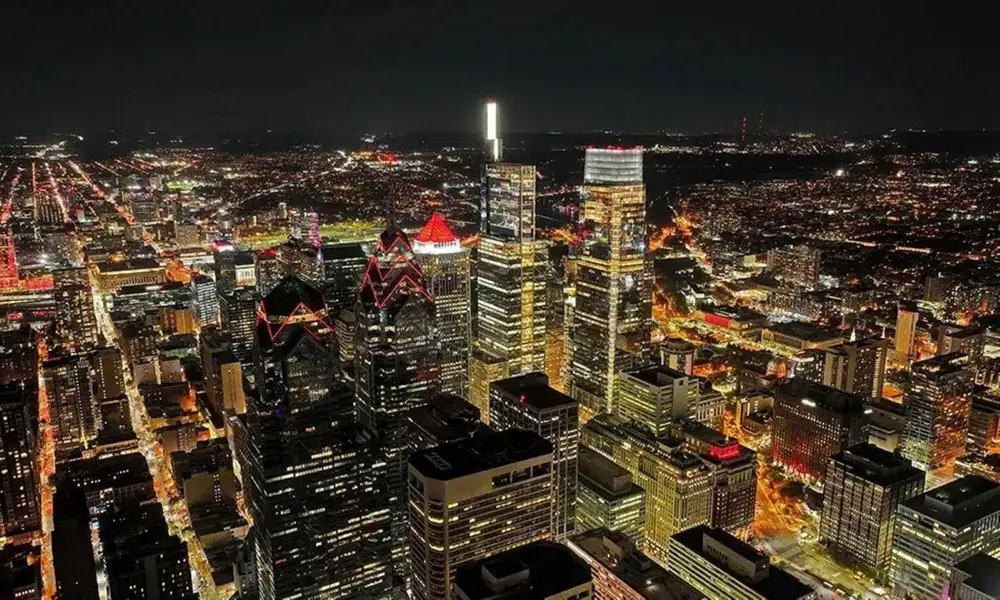
For golden-hour light specifically, timing shifts by season. Sunset falls around 8:30 PM in late June, well past the last flight of most days, but by early December sunset moves up to around 4:35 PM, which puts a genuine golden-hour flight inside a normal afternoon booking without needing the evening slot at all. Evening flights, booked after the sun is down, carry a $25 per rider surcharge, so a winter late-afternoon booking is often the better value for the same warm light a summer evening flight would otherwise cost extra for.
What Actually Affects Conditions
Most people assume rain is what grounds a helicopter tour. It's actually wind. Light rain often doesn't stop a flight at all, sometimes it even sharpens the light rather than ruining it, while a gusty, unstable wind is exactly the kind of condition a pilot won't fly through, regardless of whether the sky above is clear. That's the single most useful thing to know before picking a date: check the wind forecast, not just the rain icon.
Humidity is the other real variable, and it's a Philadelphia-specific one. July's average highs near 88°F come with the kind of thick, humid haze that quietly softens everything past a few miles, the skyline is still visible, it just loses the crisp edge that shows up in a fall or winter photo. That haze isn't a Philadelphia flaw so much as a mid-Atlantic summer pattern, and it's exactly why fall and winter, when the air dries out, consistently produce the clearest aerial photos of the year.
January's average highs sit near 41°F, cold enough that a warm layer under a jacket is worth packing, but that same cold air is drier and steadier than a summer afternoon, which is exactly why winter photos come back sharper. None of this is about comfort alone, dry air simply carries less haze, and less haze means a camera can resolve detail miles further out. A pilot reading a forecast is really reading two separate things at once, wind speed for whether the flight goes at all, and humidity or haze for how far the camera will actually see once it does.
Crowds and Prices Through the Year
Prices start from $78 per person and don't move by season on this operator's routes; the one consistent add-on is the $25 per rider evening surcharge. Because this operator runs a fixed weekly schedule rather than daily flights, Monday and Thursday 3:00 to 8:00 PM, Friday 3:00 to 9:00 PM, Saturday noon to 9:00 PM, Sunday noon to 8:00 PM, and closed Tuesday and Wednesday, the real crowding pressure isn't seasonal so much as weekly: Saturday and Sunday simply have the most open hours and the widest choice of slots, so they book out first, especially for a specific date tied to an anniversary or a visiting group. Weekday afternoons on Monday, Thursday, and Friday are the quieter booking window if your dates are flexible.
The full route-by-route price breakdown covers exactly what each of the three routes costs before fees.
One more scheduling note from the flying side: public holidays behave like Saturdays. Memorial Day weekend, the Fourth of July, and the run between Christmas and New Year fill the booking calendar days ahead, and since the cabin carries a maximum of three passengers per departure, a single busy afternoon holds far fewer seats than it looks. If your trip lands on a holiday weekend, reserve the slot as soon as your dates are fixed, the free cancellation window means an early booking costs nothing to change later.
What Happens If Weather Cancels
If weather does cancel your flight, you aren't simply out the money. The operator's policy is a free reschedule or a non-expiring flight credit, your choice, and that's on top of free cancellation up to 24 hours before your scheduled time if your own plans change first. Since wind, not rain, is the usual trigger, a light-rain forecast on your booked date is rarely a reason to worry in advance.
For the full check-in and briefing process, including how the pilot's go or no-go call gets communicated the morning of a flight, our first-flight walkthrough covers it minute by minute.
A short scenario table covers the most common situations directly.
| Scenario | What happens | Your move |
|---|---|---|
| Cancelled the evening before | You're offered a free reschedule or a non-expiring flight credit | Rebook the next available slot that fits your trip |
| Cancelled at the airfield on arrival | The pilot explains the call on site; the same reschedule or credit applies | Ask for the choice explicitly rather than assuming a default |
| Light rain but the flight is still running | No refund is owed since the flight is operating as scheduled | Decide before booking whether light rain is acceptable to you |
| You cancel less than 24 hours out | Typically no refund; this is a traveler-side cancellation, not a weather one | Cancel earlier than 24 hours if your plans are uncertain |
| No-show | No refund and no credit | Contact the operator immediately if you're simply running late, don't just skip it |
So, When Should You Fly?
Fall and winter mornings deliver the clearest views over Philadelphia, when summer's humidity haze has cleared and wind, the real cancellation trigger, tends to be calmest early in the day. Early summer mornings are the solid runner-up, before the season's heat and haze fully set in. Peak summer afternoons are the window to avoid if long, crisp sightlines matter to you, the flight still runs fine, the photos simply won't be as sharp.
If your dates are fixed rather than flexible, the time of day still rescues most seasons: book the earliest available slot and check the wind forecast, not the rain icon, in the days before you fly. Compare all three routes on the Philadelphia air tour guide before choosing your date, and check current availability directly on the flight itself.
Before You Pick a Date
A short checklist for locking in the best conditions your calendar allows.
- Favor a fall or winter date if sharp, haze-free photos matter most to you
- Book the earliest slot the schedule offers, since wind typically builds later in the day
- Check the wind forecast a day or two out, not just the rain forecast
- Consider a winter late-afternoon slot for golden light without the evening surcharge
- Keep a backup date in mind for the same trip in case of a weather reschedule
- Review what each route costs before settling on a date and route together
Frequently Asked Questions
What is the best time of day for a helicopter tour in Philadelphia?
The earliest available slot on the operator's schedule, since wind tends to be calmest early in the day. In winter, an afternoon slot also catches golden-hour light without the evening surcharge.
Which season has the clearest views over the city?
Fall and winter, when Philadelphia's summer humidity haze has cleared and the air is driest. Summer still flies well, the view is simply softer by afternoon.
What happens if weather cancels the flight?
You're offered a free reschedule or a non-expiring flight credit, your choice. Free cancellation up to 24 hours before your flight applies separately.
How far ahead should you book a sunset flight?
In winter, when sunset falls around 4:35 PM in early December, a normal late-afternoon slot already catches golden hour, so book a few days ahead for a specific date. In summer, sunset near 8:30 PM in late June falls after the operator's flying hours end most days.
Does rain cancel helicopter tours in Philadelphia?
Usually not. Light rain often doesn't stop a flight at all; wind is the condition that actually grounds one, regardless of what the sky looks like otherwise.
Is there a cheaper time of day to fly?
Daytime slots are the standard price across the week. The one add-on is a $25 per rider surcharge for evening flights booked after sunset.
There's no wrong season to fly over Philadelphia, only a clearer one and a hazier one. Pick a fall or winter morning if the photos matter most, and check the wind forecast a day or two out no matter when you book, since that's the number that actually decides whether your flight goes ahead.